

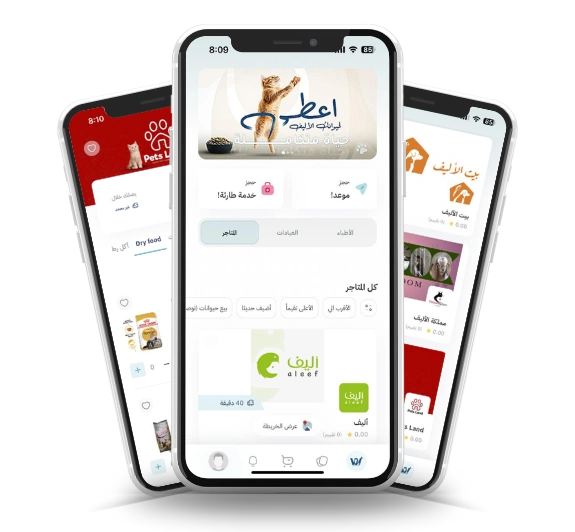

In today's rapidly evolving digital landscape, optimizing user experiences is paramount for success. A key element in achieving this is streamlining processes and reducing friction points for users, and this is where innovative solutions like bonrush come into play. This approach focuses on accelerating workflows and providing immediate access to needed resources, ultimately fostering greater engagement and satisfaction. The core principle revolves around minimizing wait times and maximizing efficiency, a concept applicable across numerous industries and applications.
The modern consumer expects instant gratification. They’re accustomed to quick loading times, seamless navigation, and readily available information. Businesses that fail to meet these expectations risk losing customers to competitors who prioritize speed and convenience. Improving the overall user journey requires a holistic approach, considering every touchpoint and identifying areas for improvement. Implementing strategies designed to accelerate critical processes is no longer a luxury, but a necessity for maintaining a competitive edge in the current market.
One significant area where efficiency gains can be realized is in data processing. Traditionally, data analysis and reporting often involve lengthy delays, hindering rapid decision-making. Employing intelligent systems, coupled with a streamlined workflow like that facilitated by the principles behind bonrush, can drastically reduce this timeframe. These systems leverage automation, machine learning, and parallel processing to analyze large datasets quickly and accurately. This enables businesses to identify trends, gain insights, and respond to changing market conditions in near real-time. Imagine a scenario where a marketing team can instantly assess the performance of a new campaign, rather than waiting days for a report. The benefits are substantial, allowing for agile adjustments and optimized resource allocation.
A critical component of accelerating data processing is seamless API integration. APIs (Application Programming Interfaces) act as messengers, allowing different software systems to communicate and exchange data. By integrating various tools and platforms, businesses can create a unified workflow, eliminating manual data entry and reducing the potential for errors. For instance, connecting a CRM (Customer Relationship Management) system with a marketing automation platform allows for automated lead nurturing and personalized customer journeys. This integration, when optimized for speed and efficiency, embodies the spirit of a rapid response system. It’s about getting the right information to the right people at the right time, enabling quicker and more informed decisions.
| Process | Traditional Time | Optimized Time (bonrush-inspired) |
|---|---|---|
| Data Analysis | 3 days | 3 hours |
| Report Generation | 2 days | 30 minutes |
| Lead Qualification | 1 day | Instant |
| Customer Onboarding | 1 week | 24 hours |
The table above demonstrates the potential time savings achieved through the implementation of optimized processes. These aren’t just theoretical improvements; they represent tangible gains in productivity and efficiency. By focusing on eliminating bottlenecks and automating repetitive tasks, businesses can unlock significant value and improve their bottom line.
In the realm of e-commerce, speed and convenience are paramount. A slow or cumbersome checkout process can lead to abandoned carts and lost sales. Implementing a streamlined checkout experience, minimizing the number of steps required to complete a purchase, is crucial. This involves optimizing form fields, offering multiple payment options, and providing clear and concise instructions. Beyond the checkout process, fast and reliable delivery is equally important. Customers expect their orders to arrive quickly and in good condition. Collaborating with efficient logistics providers and offering real-time tracking information can significantly enhance the post-purchase experience. Utilizing methods that emulate the speed of bonrush in fulfillment is becoming a key differentiator in the competitive e-commerce landscape.
Beyond speed, personalization is key to driving e-commerce success. Customers are more likely to purchase products that are relevant to their interests and needs. Integrating recommendation engines that suggest products based on browsing history, purchase data, and demographic information can significantly increase sales. This level of personalization demonstrates that the business understands its customers and is committed to providing a tailored shopping experience. Furthermore, proactive customer service, such as offering assistance during the checkout process or providing quick responses to inquiries, can further enhance satisfaction and build loyalty. It’s about creating a seamless and enjoyable experience that keeps customers coming back.
These five elements represent core components of a high-performing e-commerce strategy. By focusing on these areas, businesses can create a compelling online shopping experience that attracts and retains customers. The focus is on reducing friction and providing a seamless journey from product discovery to purchase and beyond.
With the proliferation of smartphones and tablets, mobile applications have become an essential part of the digital landscape. However, a slow or unresponsive mobile app can quickly frustrate users and lead to abandonment. Optimizing mobile apps for speed and responsiveness requires careful consideration of several factors, including code efficiency, image optimization, and data caching. Minimizing network requests and leveraging local storage can significantly improve app performance. Applying the philosophy of immediacy found in a system like bonrush is critical here – users expect instant access to information and functionality. Furthermore, regular performance testing and monitoring are essential to identify and address any bottlenecks.
Push notifications can be a powerful tool for engaging mobile users and driving app usage. However, it’s important to use them strategically and avoid overwhelming users with irrelevant information. Personalized push notifications that provide timely updates, special offers, or reminders can significantly increase engagement. For example, a travel app could send a push notification reminding users of their upcoming flight or offering a discount on airport parking. It’s about providing value and enhancing the overall user experience. Overuse of push notifications can have the opposite effect, leading users to disable them altogether. Thoughtful implementation is key to maximizing their effectiveness.
These steps are paramount when developing and maintaining a successful mobile application. Prioritizing speed and responsiveness is essential for providing a positive user experience and driving app engagement. The focus should be on creating an app that is both functional and enjoyable to use.
Effective communication and collaboration are vital for any organization. Slow or inefficient internal communication can lead to delays, errors, and frustration. Implementing a streamlined communication platform, such as a modern instant messaging tool or project management software, can significantly improve team productivity. These tools facilitate real-time communication, file sharing, and task management, fostering a more collaborative and efficient work environment. Applying principles resembling those of bonrush to internal processes makes a formidable impact.
Many businesses are burdened with repetitive tasks that consume valuable time and resources. Automating these tasks can free up employees to focus on more strategic and creative work. Robotic process automation (RPA) is a powerful technology that can automate a wide range of tasks, from data entry and invoice processing to customer support and report generation. By identifying and automating repetitive processes, businesses can improve efficiency, reduce errors, and lower costs. This allows for a more agile and responsive organization, capable of adapting quickly to changing market conditions. Furthermore, it creates a more engaging and fulfilling work environment for employees.
The evolution of user experience optimization doesn’t stop with speed and efficiency. Emerging trends like predictive analysis and proactive solutions are poised to revolutionize the way businesses interact with their customers. Predictive analysis uses data mining and machine learning to anticipate customer needs and preferences. This allows businesses to proactively offer personalized recommendations, solve potential problems before they arise, and create a more seamless and intuitive experience. For example, a streaming service could use predictive analysis to suggest movies and TV shows based on a user’s viewing history. This goes beyond simply responding to customer requests; it’s about anticipating their needs and providing value before they even ask. Ultimately, the aim is to create a truly personalized and engaging experience that builds loyalty and drives long-term customer relationships. This proactive approach extends the concept of a fast response – it’s about anticipating needs before they are stated, and delivering solutions immediately.
These advancements will necessitate an even greater focus on data privacy and security. As businesses collect and analyze more data, they must prioritize protecting customer information and ensuring compliance with relevant regulations. Transparency and ethical data handling practices will be essential for building trust and maintaining a positive brand reputation. The future of user experience optimization is about creating a seamless, personalized, and secure experience that empowers customers and drives business growth.
